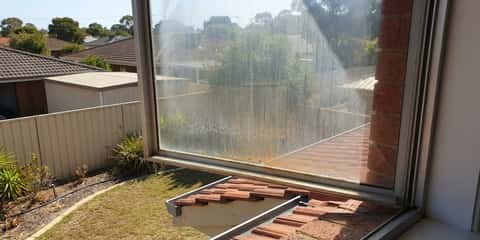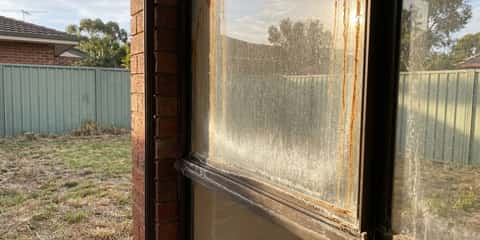
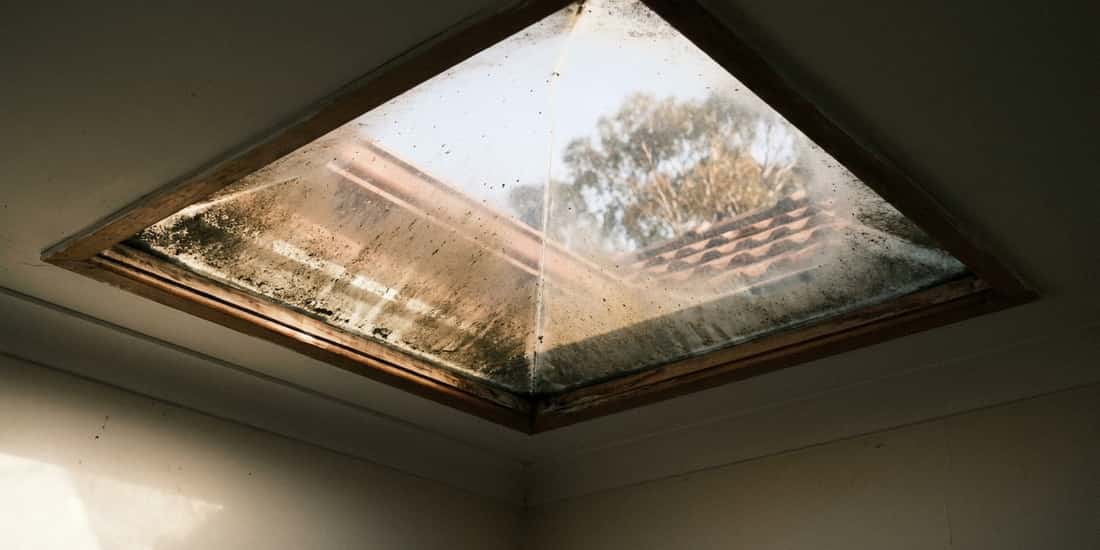
You probably did not notice it happening. The room under the skylight just got gloomier over a year or two, and one morning you looked up and realised the bright square in the ceiling had turned a flat, murky grey. A skylight covered in dirt loses a surprising amount of its light output, and because the decline is gradual, most people adapt to it long before they do anything about it.
Generic cleaning guides treat this as a simple job. Climb up, spray some vinegar, wipe, done. That advice was not written with Perth roofs, Perth water or Perth weather in mind, and following it tends to produce either a streaky, spotted result or a genuinely dangerous afternoon. Here is what actually makes skylights dirty in this city, and what the sensible options are.
Perth throws more at a skylight than most cities
A skylight sits at or near the horizontal. That single fact changes everything about how it collects grime compared with a vertical window.
On a vertical pane, gravity is on your side. Dust lands, rain hits it, and most of the mess runs off. On a skylight, airborne particles settle and stay. Rain does not sheet off at speed, it pools in the low corners against the flashing, sits there, and evaporates. Whatever was suspended in that water gets left behind, layer after layer.
Now add Perth's specific supply of airborne material.
Easterly dust. Through summer the morning easterlies pull dry inland air across the metro area. That air carries fine soil particles from paddocks, firebreaks and cleared land on the city fringe. It is not dramatic, but it is relentless, and it settles heaviest on horizontal surfaces. Skylights collect the same load, they just do it where you cannot see it. Occasional dust storms drop a far heavier layer in a single afternoon, and that settles on a skylight the same way.
Bushfire ash. During the fire season, ash and fine smoke particulate drift well beyond the fire ground. Ash is alkaline and sticky once it gets damp, and it bonds to glass far more stubbornly than plain dust. A skylight that was merely dusty before a smoky week can look genuinely filmed over afterwards.
Spring pollen and tree debris. From late winter into spring, jacaranda, eucalypt, peppermint and wattle all shed pollen, flower litter and fine leaf matter. Pollen is slightly tacky. It grabs onto glass, then catches dust on top of itself. Homes with mature trees overhanging the roof also get a steady drop of leaf fragments into the skylight well and flashing channels, where it rots and stains.
Coastal salt. Anywhere within reach of the sea breeze gets a light salt deposit, which is to say most of the Perth metro area. Salt is hygroscopic, meaning it attracts moisture from the air. That damp film keeps dust stuck to the surface instead of letting it blow away, and it accelerates corrosion on the aluminium frames and fixings around the glazing.
Stack those four together and you have a surface that is being loaded almost year round, with very little natural self cleaning to offset it.
Why the vinegar bottle leaves you worse off
The standard internet recipe is white vinegar, a squeeze of dishwashing liquid, warm water and a cloth. On a kitchen window that is survivable. On a skylight it tends to disappoint, for two reasons.
The first is detergent residue. Dishwashing liquid is designed to cling and foam. Any of it left on the glass stays slightly sticky, and on a horizontal surface in full sun that film becomes a dust magnet within days. The skylight looks fine on the evening you clean it and visibly dull again a fortnight later.
The second, and bigger, problem is the water itself. Perth households run on scheme water or, in some suburbs, bore water for outdoor use. Both carry dissolved mineral content, and bore water in particular can be heavy with it, along with iron that stains. When you rinse a skylight with that water, the rinse does not run off cleanly. It creeps slowly down the shallow slope, banks up against the frame, and bakes dry in the sun. Everything dissolved in it stays on the glass as white or rusty spotting. That is hard water spotting, and vinegar does not prevent it, because the problem is in the rinse rather than the wash.
This is the same hard water residue that drives the move away from bucket and squeegee work on windows generally. Purified water systems strip the dissolved minerals out before the water touches the glass, so the rinse dries without leaving anything behind. If you want the longer explanation of how that works and why it suits WA conditions, our piece on pure water window cleaning versus traditional methods covers it properly. The short version for skylights is that the flat angle makes mineral spotting worse than on any vertical window in your house, so the quality of the rinse water matters more here than anywhere else.
The part the DIY guides gloss over
Most skylight cleaning articles mention roof safety in a single sentence and move on. That is a disservice.
Working at heights is treated as a serious risk under Western Australian work health and safety law, and for good reason. Falls from roofs and ladders remain one of the most common causes of serious injury in home maintenance. Contractors working at heights are required to plan the work, assess the risks and put control measures in place. A homeowner with a ladder and a bucket is doing none of that.
Perth roofs add their own problems. Concrete and terracotta tiles crack underfoot, often without you noticing until the next heavy rain reveals a leak. Steel and other metal roofing gets startlingly slippery under a layer of fine dry dust, and hot enough in summer to be unsafe to kneel on.
Then there is the skylight itself. A skylight panel is not a structural surface. Domes and glazing units will not support an adult's weight, and falls through skylights are a recognised hazard in the trades. A person steadying themselves on a skylight frame, or stepping onto a tube skylight dome in low light, is in genuine danger. Add a bucket of soapy water running across the surface you are standing on and the situation gets worse again.
None of this means skylights are untouchable. It means the job deserves to be treated as roof work rather than as housework performed slightly higher up.
How often Perth skylights actually need it
Tie the schedule to the local calendar rather than a generic annual figure.
For most Perth homes, two cleans a year works well. The first sits at the end of summer, once the easterly dust season and the worst of the bushfire period have passed, so you clear the accumulated dust and ash film in one go. The second comes in late spring, after the pollen and flowering litter has finished dropping.
A third visit is worth considering if any of these apply to your place: you are within a few streets of the coast and getting steady salt deposit, you have mature trees overhanging the roofline, or there is active construction or cleared land nearby generating airborne sand and dust.
If light levels under the skylight have noticeably dropped since the last clean, that is your signal regardless of the calendar.
Why bundling beats a standalone roof trip
Here is the practical argument generic guides miss. Skylight cleaning is rarely worth organising as its own job, for you or for a contractor.
The setup is most of the work. Getting safe roof access, positioning ladders, running hose and pole gear, having purified water on hand: all of that takes longer than the actual cleaning of two or three skylight panels. Which is exactly why it makes sense to fold skylights into a visit that is already happening.
If a team is on site cleaning your windows, the water system, poles and access equipment are already set up. If they are cleaning solar panels, they are already working on the roof with appropriate controls in place. If they are clearing gutters, same story. In each case the skylights become a small addition rather than a separate mobilisation, and you avoid paying twice for the same setup.
This also has a quality benefit. Someone already on the roof can check the flashing, clear debris out of the skylight well and spot problems with seals and fixings while they are up there, which you will never see from inside the house.
Signs it needs professional attention, not a wipe down
Some skylight problems are not dirt at all, and no amount of cleaning will fix them. These are the signs that warrant a professional look rather than another go with a cloth:
- Moisture or fogging between panes. A sealed glazing unit that has gone cloudy internally has failed. Cleaning the outside will not clear it.
- Yellowing or crazing on acrylic domes. Older acrylic degrades under UV, turning yellow and developing fine surface cracks. That is a replacement conversation.
- Staining or water marks on the internal ceiling lining. This points to a flashing or seal failure, and it needs attention before the next heavy rain rather than a clean.
- Debris and insect build up in the skylight shaft. If you can see leaf matter or insects sitting in the light well, something is getting past the seals.
- Grime that keeps returning within weeks. Usually detergent residue or mineral film from previous cleans, and it needs a proper purified water clean to reset the surface.
A clean skylight puts a genuinely useful amount of daylight back into a room, and it does it without touching your power bill. The job just deserves more thought than a vinegar spray bottle and a hopeful trip up the ladder.
If your skylights have dulled off and you have windows, solar or gutters due anyway, it is worth asking for them to be looked at in the same visit. Have a look at Purified Group’s Perth window cleaning to see how the purified water system works and what can be covered in a single call out.
Frequently Asked Questions
How often should Perth skylights be cleaned?
Twice a year suits most Perth homes, with one clean after the summer dust and bushfire season and one after the spring pollen flush. Homes near the coast, under heavy tree cover or close to open paddocks and building sites often need a third visit.
Can I clean a skylight from inside the house?
You can clean the internal diffuser panel from inside using a step ladder and a damp microfibre cloth, and that will help if the dullness is dust on the inside. If the grime is on the outer dome or glazing, cleaning from inside makes no visible difference.
Why does my skylight look spotty after I clean it?
Scheme and bore water in Perth carry dissolved minerals. On angled glass the water runs slowly, pools against the frame and evaporates in the sun, leaving those minerals behind as white spotting. Vinegar and dishwashing liquid add residue rather than removing it.
Is it safe to walk on a roof to reach a skylight?
Roof access carries real fall risk, and skylight panels themselves will not hold a person's weight. Tiles crack underfoot and metal roofing gets slippery with dust. Most homeowners are better off having skylights cleaned by a contractor already set up for height work.
Can skylight cleaning be added to a window clean?
Yes, and it usually makes sense. Teams already on site for windows, solar panels or gutters have the access gear and the water system in place, so skylights are a small addition rather than a separate job.