
Most Perth homeowners with solar know panels work harder when they are clean. What they do not know is the actual dollar cost of leaving them dirty. The numbers are bigger than most people realise, and they show up directly on your quarterly Synergy bill.
This is not a theoretical efficiency conversation. Using real Perth solar generation data, Synergy feed-in tariff rates, and verified industry research, we have done the maths properly. Here is what dirty panels are actually costing your household every year, and how quickly the cost compounds.
The Baseline: What a Clean Perth System Produces
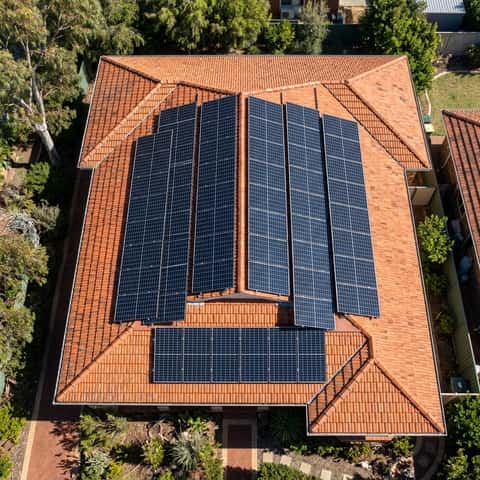
The average Perth home has a 6.6kW solar system installed in the last seven years. Under typical Perth conditions, a system that size produces around 25 kWh per day on average, working out to roughly 9,000 kWh per year across the seasonal cycle.
Synergy's current standard retail rate sits at around 30 cents per kWh for grid imports. Feed-in tariff for solar export is around 10 cents per kWh under DEBS rates for most Perth homes installed after 2020.
If your system offsets your daytime usage and exports the rest, that 9,000 kWh per year is worth somewhere between $2,200 and $2,800 in combined bill savings and feed-in credits, depending on how much you self-consume versus export back to the grid.
What Dirty Panels Actually Do to Output
The Australian Renewable Energy Agency has published studies showing that soiled panels typically lose 5 to 25 per cent of their output. The exact figure depends on three things: how dirty they are, what is causing the soiling, and how long it has been building up.
- Light dust accumulation: 5 to 8 per cent output loss
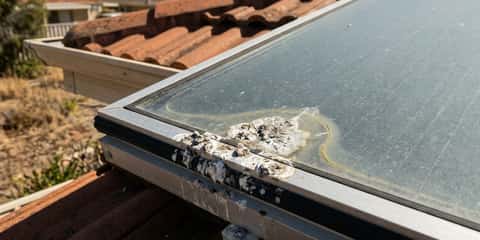
- Heavier dust plus bird droppings: 10 to 15 per cent output loss
- Salt build-up, baked-on grime, multiple seasons uncleaned: 20 to 25 per cent output loss
For a Perth home that has not had its panels cleaned in 12 months, a 15 per cent loss is the realistic baseline. Coastal homes or those near gum trees commonly hit 20 per cent within the same timeframe.
The Real Dollar Cost: Year by Year
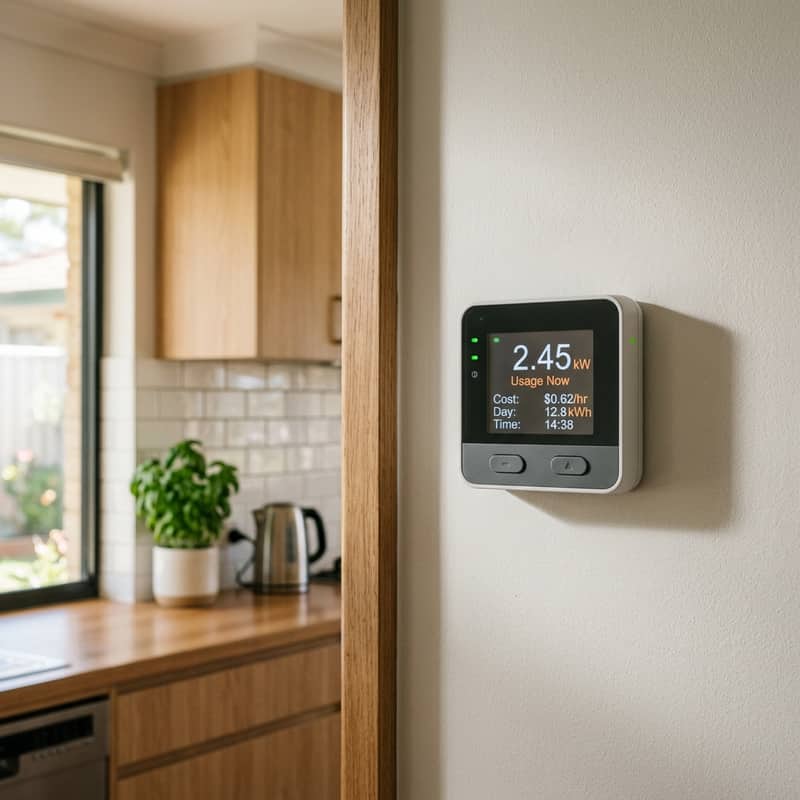
Let us run actual Perth numbers. Take that 6.6kW system producing $2,500 per year in combined savings under clean conditions.
At 10 per cent output loss: $250 per year given back to the grid for no reason.
At 15 per cent output loss: $375 per year lost. That is the average Perth home after 12 months of no cleaning.
At 20 per cent output loss: $500 per year lost. Typical for coastal Perth homes or properties near heavy vegetation.
At 25 per cent output loss: $625 per year lost. Properties two or three years overdue for a clean fall into this range.
Over five years of skipping cleans, the compounded loss for a typical Perth household sits between $1,250 and $3,000 depending on your property type and local conditions.
How Quickly Output Recovers After a Clean
Here is the satisfying part of the story. After a proper pure water clean, output recovery is immediate and measurable, often visible the same afternoon if conditions are sunny.
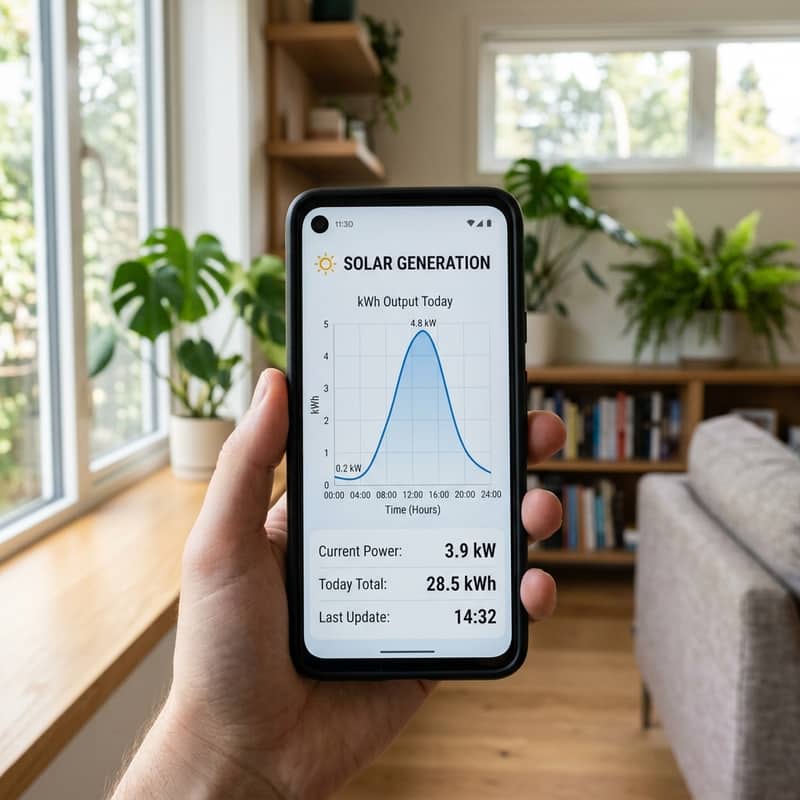
Homeowners using monitoring apps consistently report 15 to 20 per cent generation jumps within hours of a professional clean. You can watch the kWh climb on the inverter dashboard in real time, panel by panel as the system recalculates. The investment in a professional clean typically pays back within two to three months of restored generation, depending on your usage and export ratio.
The Compounding Issue Most Homeowners Miss
It is not just the energy you do not generate. It is the energy you have to buy back at retail rates to compensate for what your panels should have produced.
When your panels underperform, two things happen simultaneously. First, you generate less, so your feed-in credits drop in line with reduced export. Second, your home pulls more from the grid during the day to make up the gap, charging you 30 cents per kWh imported. That is a triple hit on the bill: lower export credits, higher imports, and the displaced self-consumption you used to get for free.
This is why dirty panels feel like they hit the bill harder than the raw efficiency drop would suggest on paper. The bill maths is effectively doubled by the import/export gap working against you.
The Cost of a Professional Clean vs the Cost of Doing Nothing
A professional residential solar clean in Perth is a modest investment compared to what dirty panels are bleeding from your bill. Compare it to the $400 per year a dirty system is costing and the maths becomes immediate.
One clean, done properly twice a year, restores full output and protects your warranty. Two cleans per year is significantly cheaper than what you lose by skipping them, and the panels stay protected from long-term coating damage.
What About Coastal Homes Specifically?
Salt is the silent killer of solar output in Perth. Coastal suburbs like Cottesloe, Fremantle, Scarborough, and North Beach get a constant film of salt air that bonds to the glass within weeks. Coastal panels typically need cleaning quarterly rather than twice a year, and the output loss between cleans is steeper than for inland homes.
If you live within 2km of the coast and have not had your panels cleaned in six months, the chances are very high that you are sitting on a 20 per cent output loss right now. That is real money disappearing from your household budget every single billing cycle.
The Bottom Line
Dirty solar panels are not a maintenance inconvenience to schedule when you remember. They are an active cost on your bill, every single day, until they are properly cleaned. The average Perth home loses $300 to $500 per year by skipping regular cleans. Coastal homes lose more, sometimes considerably more depending on exposure.
If your last clean was over six months ago, your panels are almost certainly costing you money right now. Book a residential solar clean or get a free quote to find out what your property needs. Not sure if your panels are ready for a clean? Check our guide on how often to clean residential solar panels in Perth for the full breakdown.
Frequently Asked Questions
Is the output loss from dirty panels really noticeable on the bill?
Yes, a realistic 15 per cent loss after 12 months without cleaning works out to roughly $375 a year for an average Perth system, based on current Synergy rates.
Do coastal homes lose more than the average?
Generally yes, salt film builds faster than inland dust, so coastal properties often sit closer to a 20 per cent loss within the same 12-month window.
How quickly does output recover after a clean?
Recovery is immediate, often visible on the inverter dashboard the same afternoon if conditions are sunny, with homeowners commonly reporting 15 to 20 per cent generation jumps within hours.